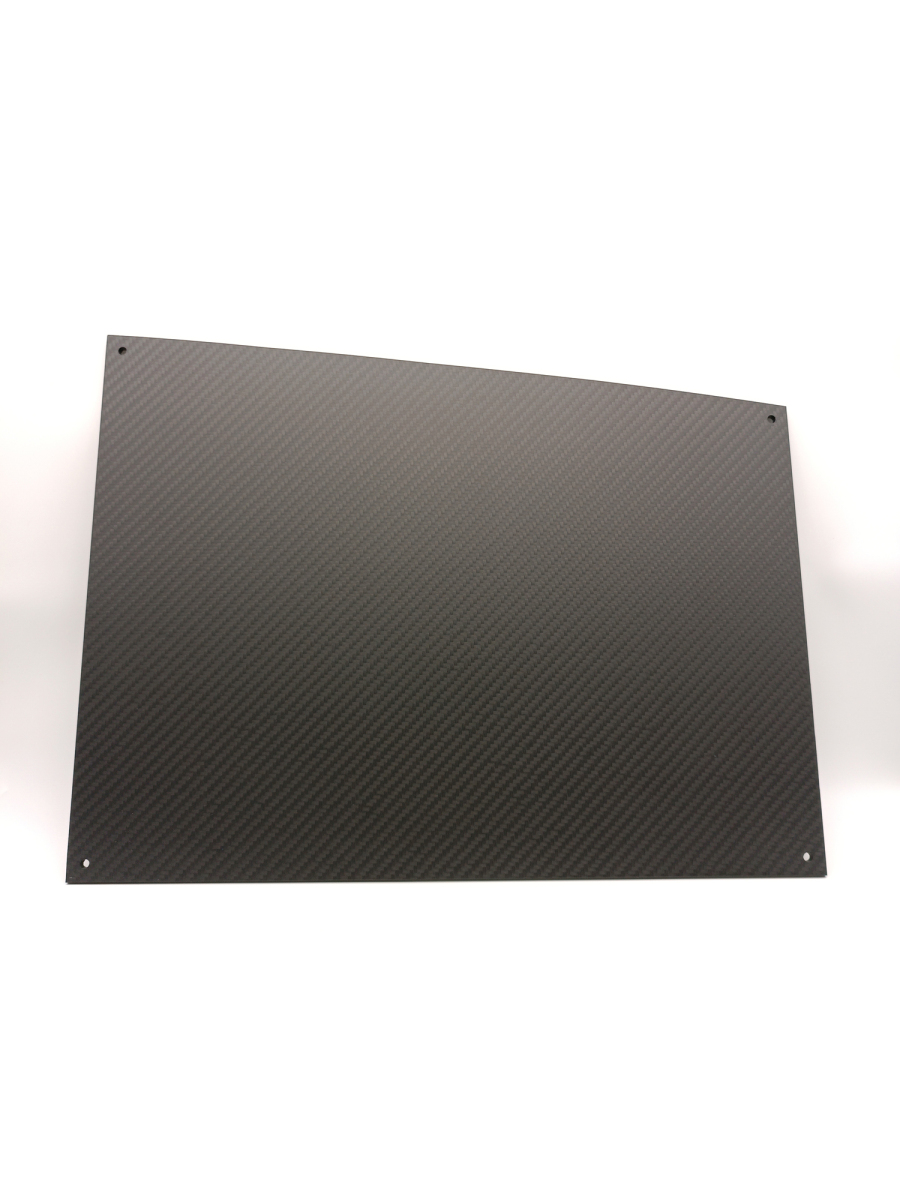


Carbon Fiber and Advanced Composite Materials
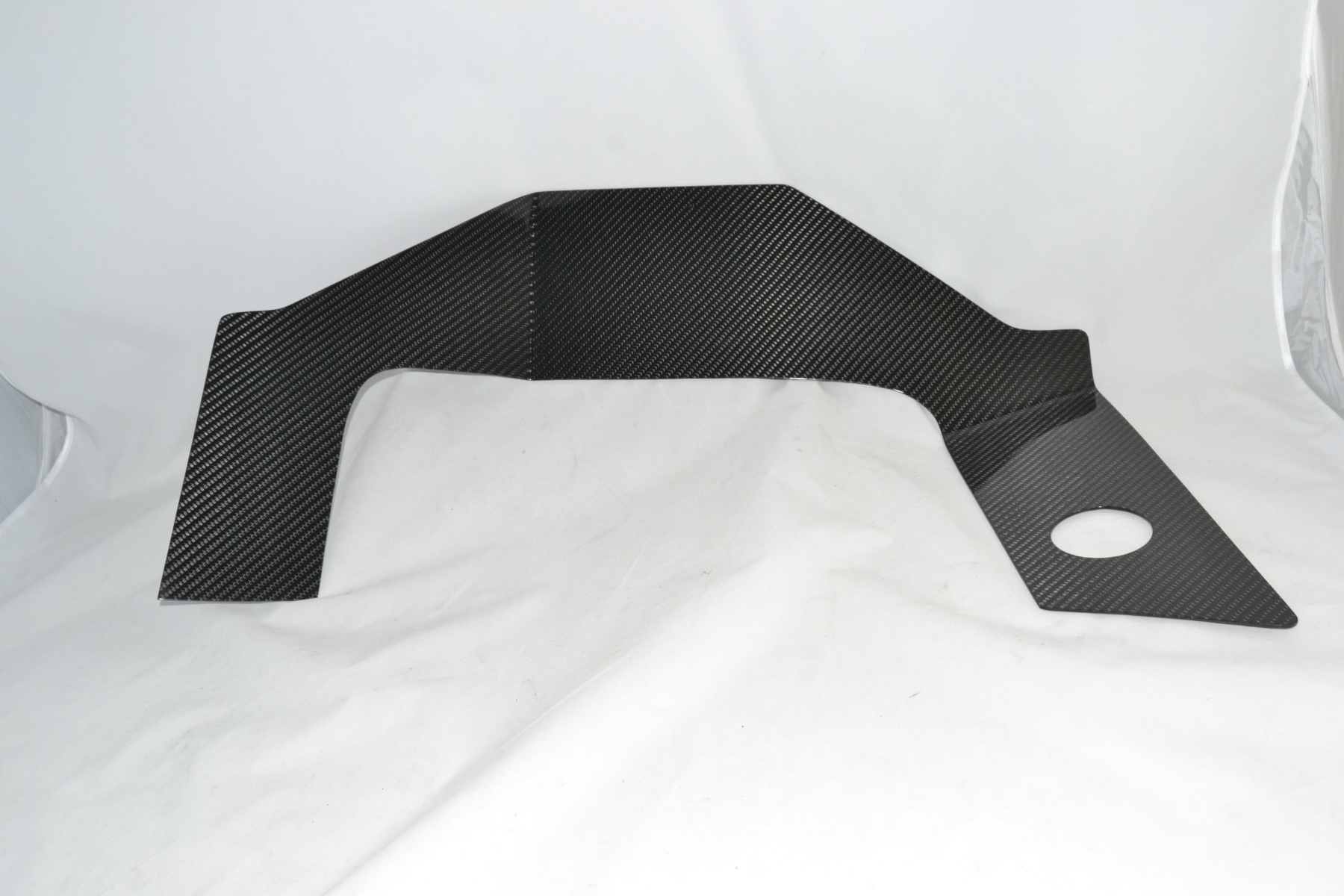
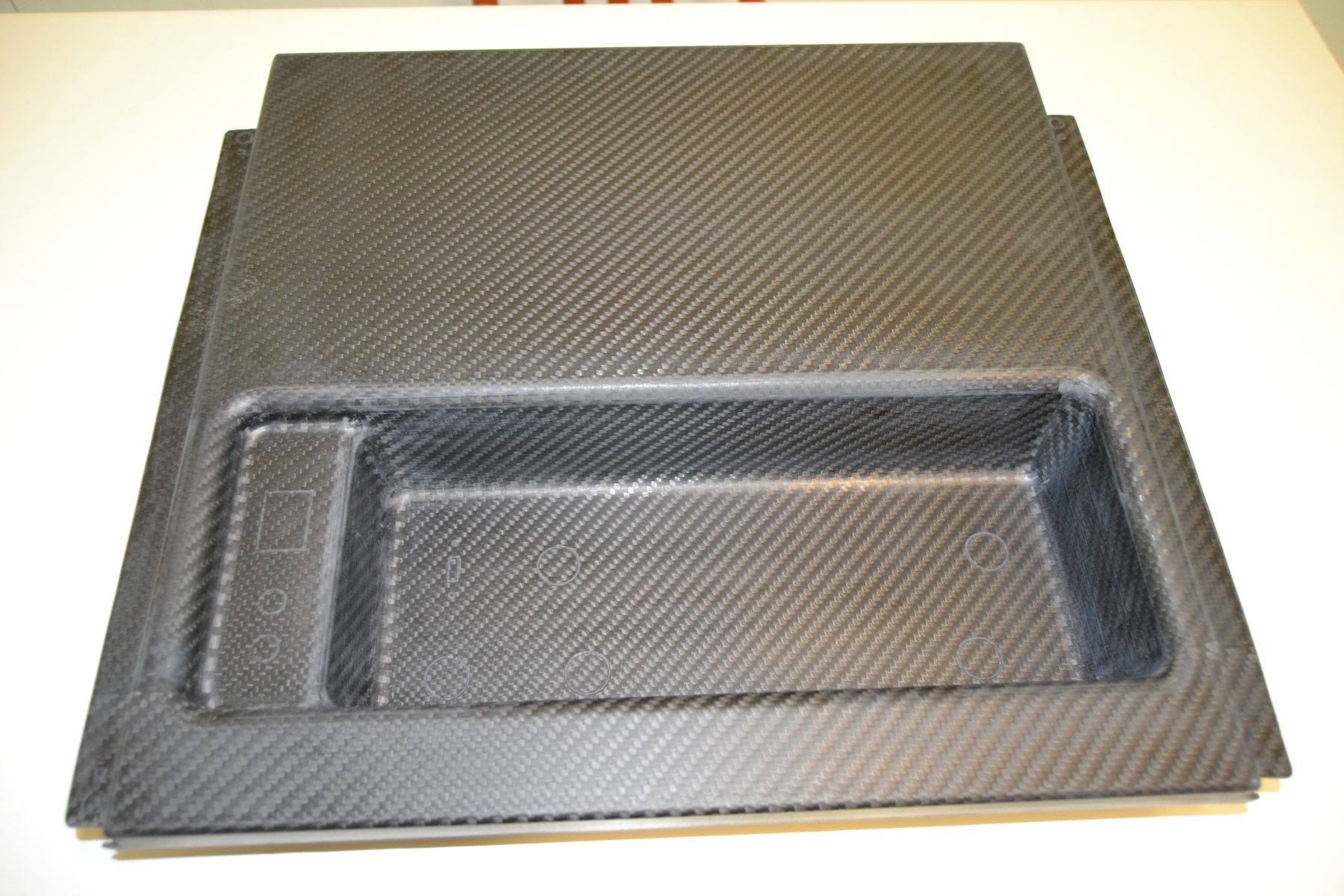
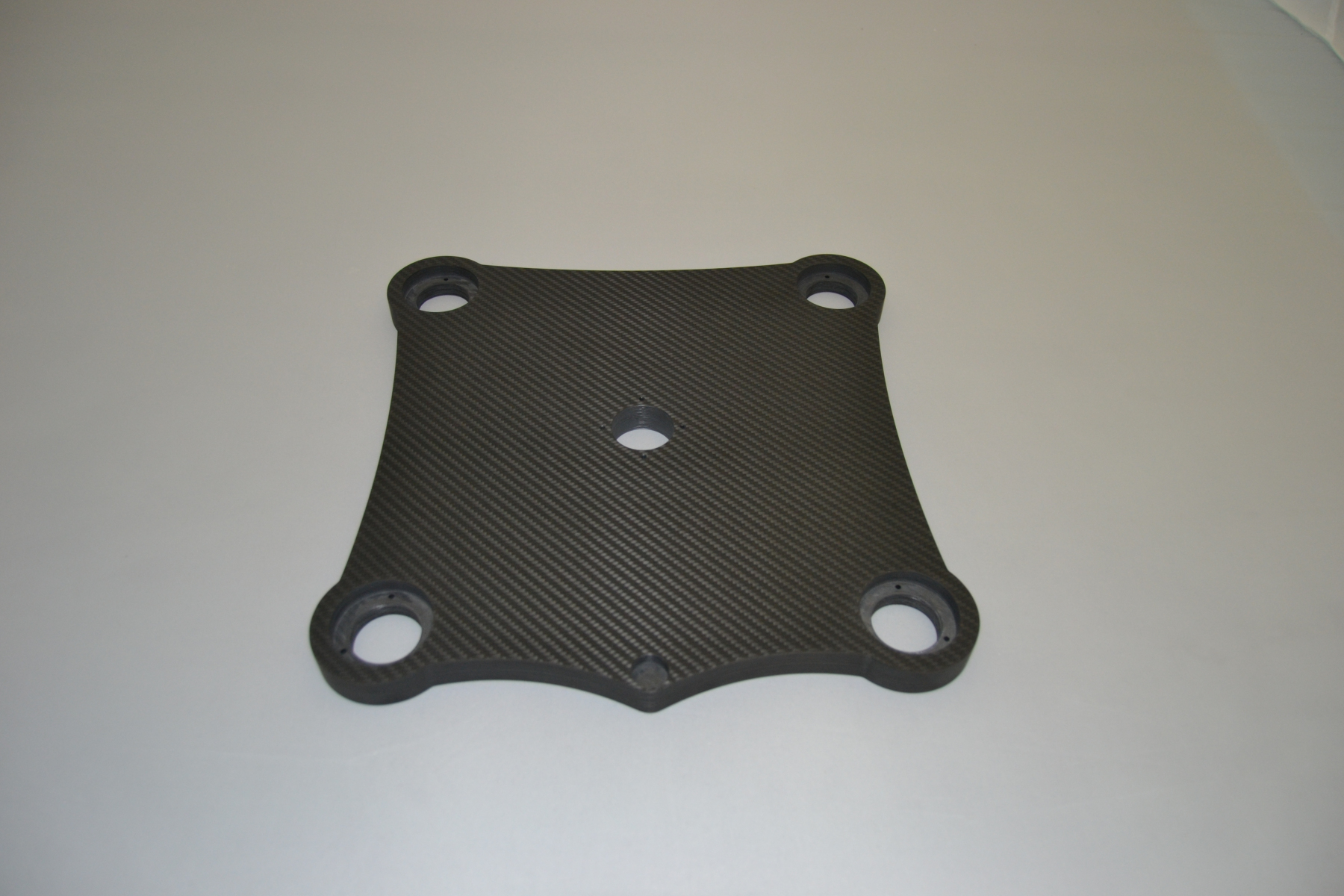
We specialize in the design and manufacture of carbon fiber components and advanced composite materials, supporting our clients throughout every stage of product development.
We supply engineered parts and assemblies for a wide range of industries, including industrial equipment, medical, marine, automotive, motorcycle, design and furniture, renewable energy, oil & gas and offshore applications. Our solutions combine high mechanical performance, refined surface finish and consistent production repeatability.
How We Manufacture Carbon Fiber Components
Autoclave Production Process

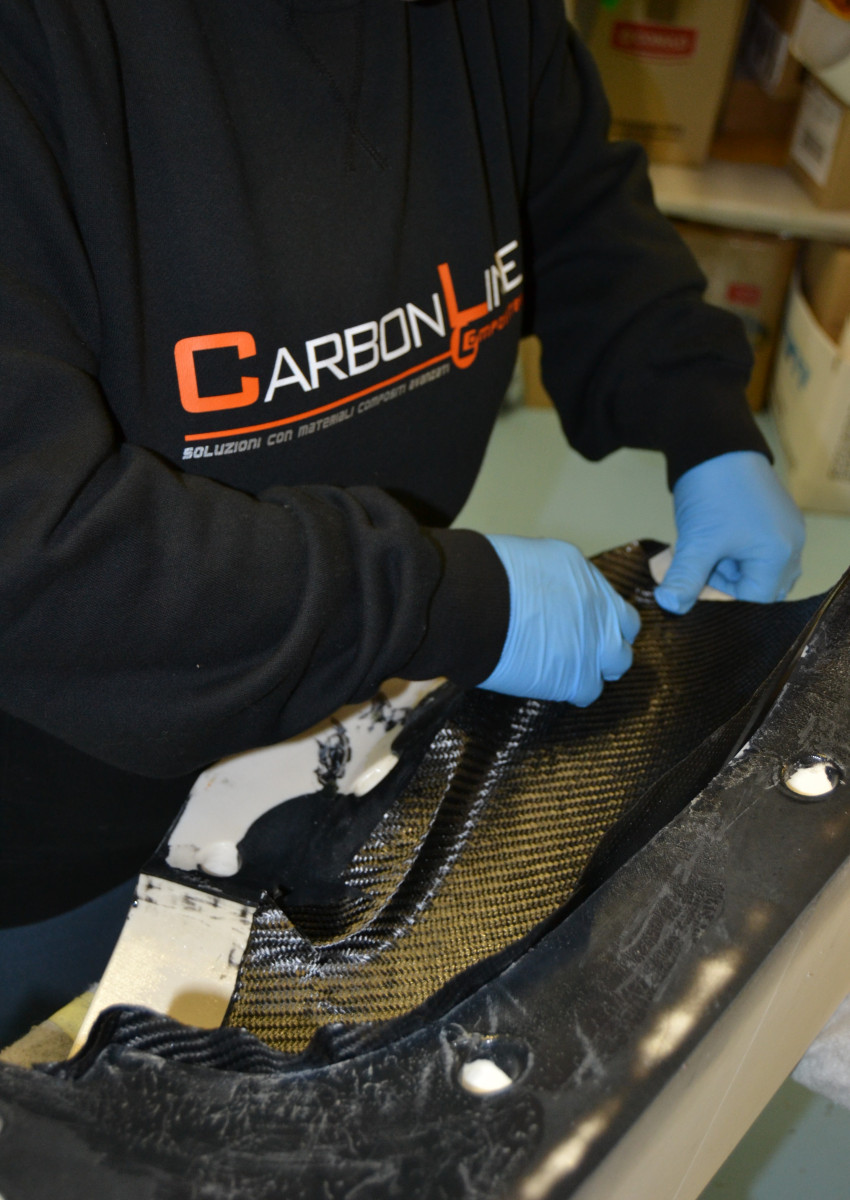
Autoclave processing with vacuum bagging is the core manufacturing technology we use for advanced composite components.
This method involves the use of an industrial autoclave and pre-impregnated reinforcements (prepreg), where the fibers are uniformly impregnated with catalyzed epoxy resin under controlled conditions.
The combined use of:
- industrial autoclave curing
- high-quality prepreg materials
- consolidated process expertise
allows us to produce carbon fiber components with superior mechanical and aesthetic performance, ensuring full control of the manufacturing cycle, tight dimensional tolerances and long-term production consistency.
Why We Use Autoclave Processing
Autoclave curing enables the production of advanced composite components that, for equivalent mechanical performance, are significantly lighter than traditional materials such as steel and aluminum.
By way of comparison:
- 1 m³ of steel weighs approximately 7,800 kg
- 1 m³ of aluminum weighs approximately 2,700–2,800 kg
- 1 m³ of carbon fiber composite weighs approximately 1,700–1,800 kg
Component weight is controlled through precise structural design, with reinforcements strategically placed only in areas subject to the highest mechanical loads. This approach ensures optimized performance without unnecessary material addition.
Surface Quality and Process Control
Vacuum bag autoclave processing ensures superior surface finish compared to other composite manufacturing techniques.
Fiber cutting patterns and orientation are carefully engineered to:
- prevent distortion of the fabric weave
- ensure uniform, defect-free surfaces
- achieve low porosity and eliminate voids
Curing takes place under vacuum inside the autoclave. Upon request, we provide detailed curing cycle reports to document the manufacturing process.
Our autoclave features a maximum internal diameter of 1.25 m and a maximum internal length of 3.4 m.
Technical Support and Component Engineering
We provide technical consulting, design support and product customization services, assisting clients throughout the entire development process:
- from initial concept
- to design and prototyping
- through small and medium batch production
We support both companies already experienced in advanced composite materials and organizations approaching carbon fiber, fiberglass and advanced composite materials for the first time.
Engineering Specifically Developed for Composite Materials
Our engineering approach does not consist of simply converting a component originally designed for metals or plastics into composite. Instead, it involves a complete redesign tailored to the specific behavior of advanced composite materials and to the selected manufacturing process.
This methodology allows us to:
- optimize mechanical performance
- reduce secondary machining operations
- improve cost-efficiency and production repeatability
For each component, we evaluate:
- prepreg type
- fiber type and weave architecture
- areal weight
- resin system
We define the most suitable layup configuration to achieve the required mechanical and aesthetic performance.
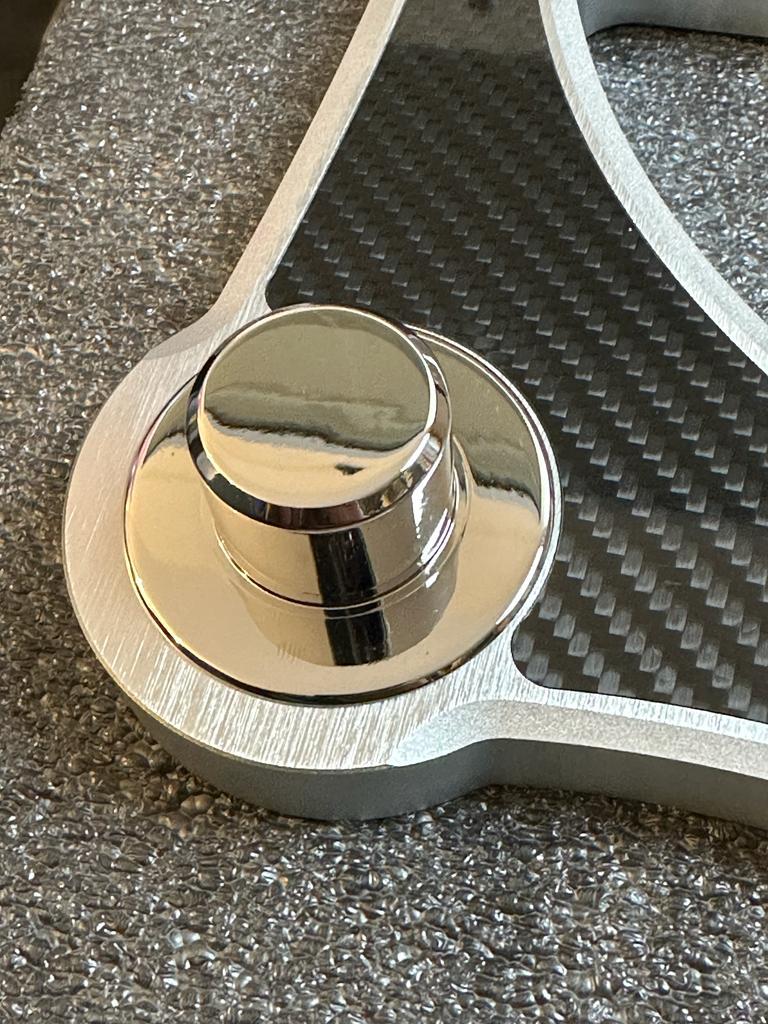
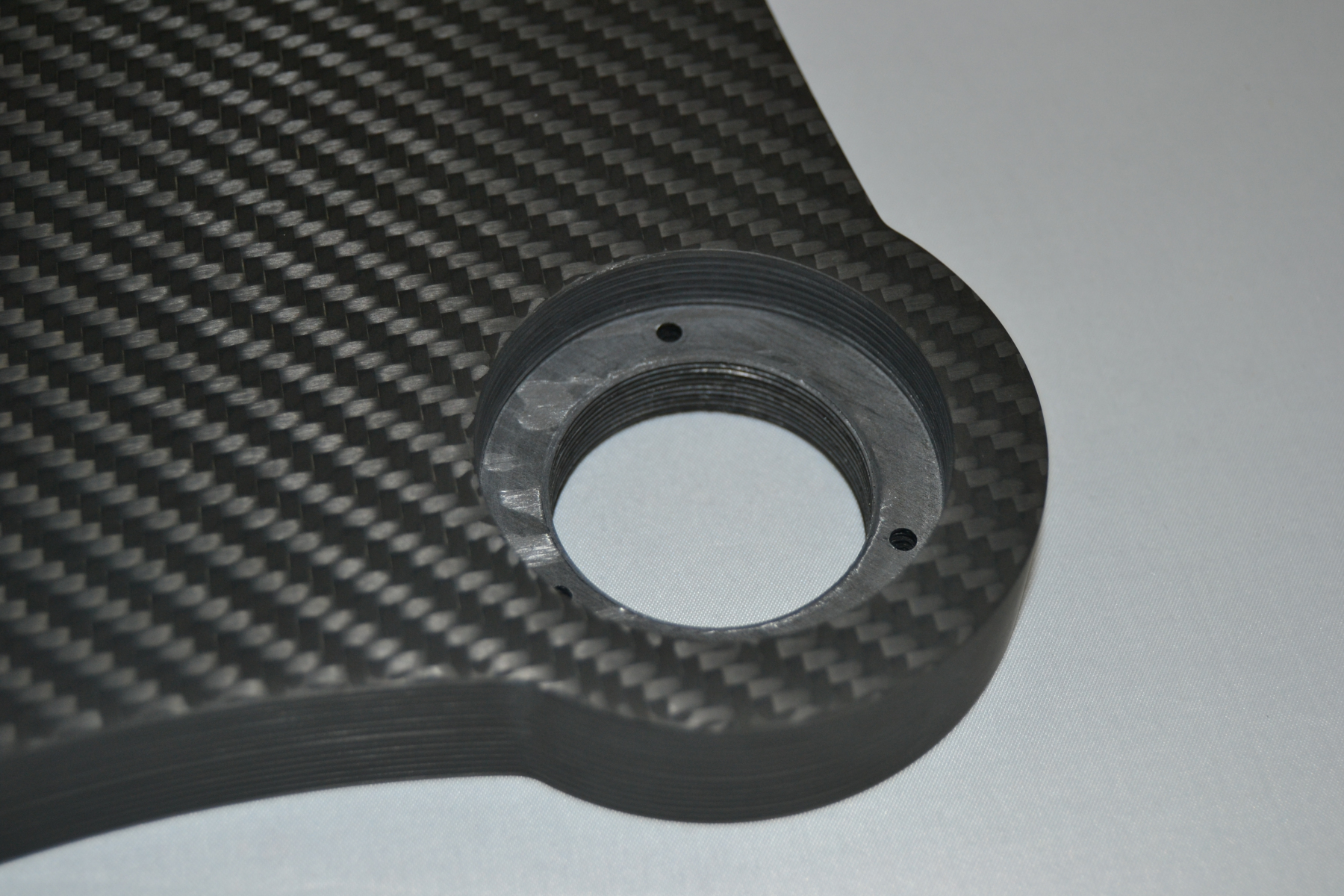
Threaded inserts and small mechanical components with anti-rotation and anti-pull-out systems are designed and manufactured in-house within our CNC machining department.
In-House Tooling and Molds Manufacturing
The production of carbon fiber components requires dedicated molds designed according to the dimensional tolerances specified by the customer.
We manufacture in-house:
- aluminum or steel molds, suitable for small to medium-sized components and repeated production runs
- carbon fiber molds, designed for large components and compatible with autoclave curing cycles
Metal molds provide greater durability, while carbon fiber molds offer increased geometric flexibility, although they require more frequent maintenance.
Additional Services for Turnkey Solutions
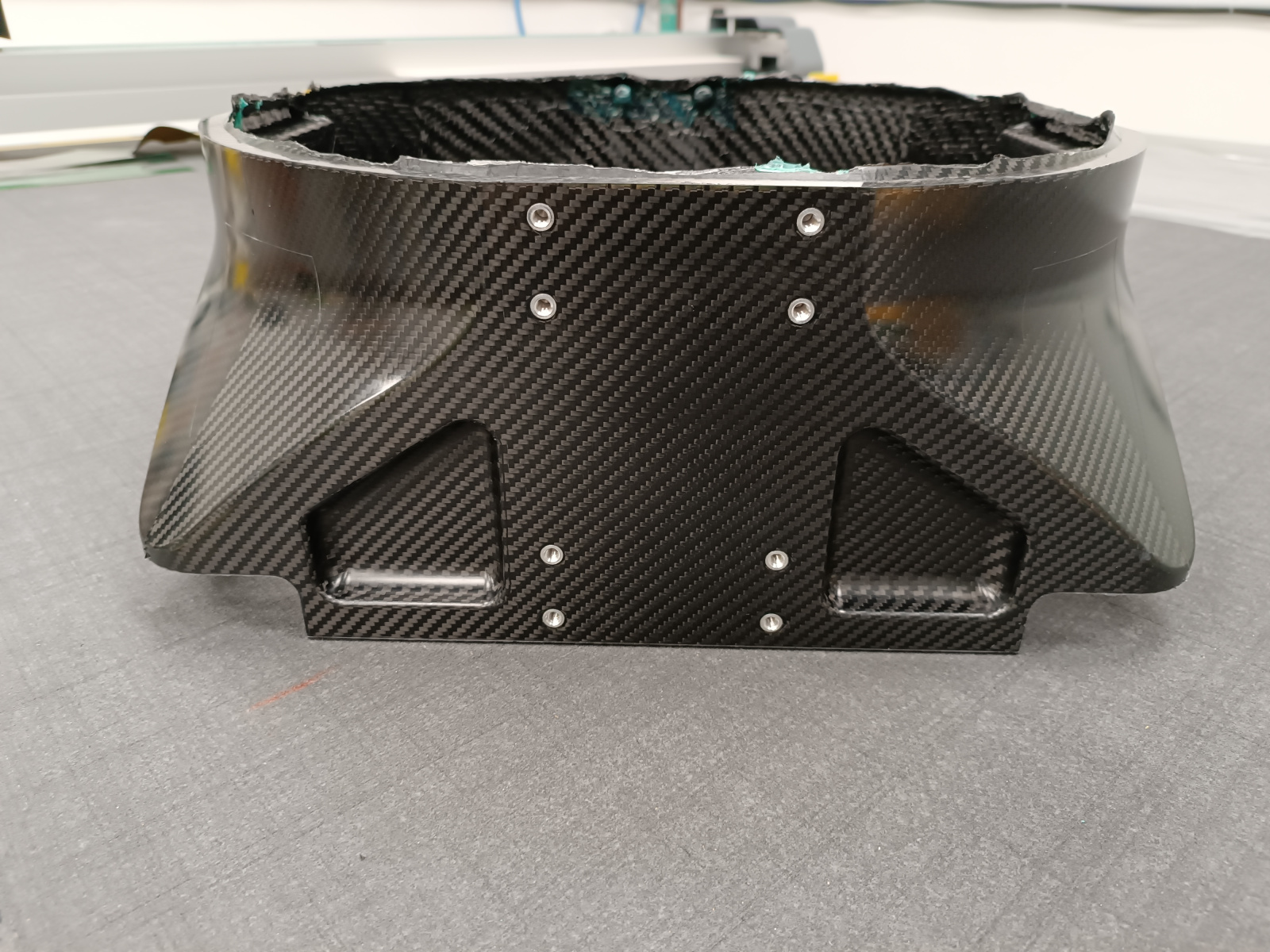
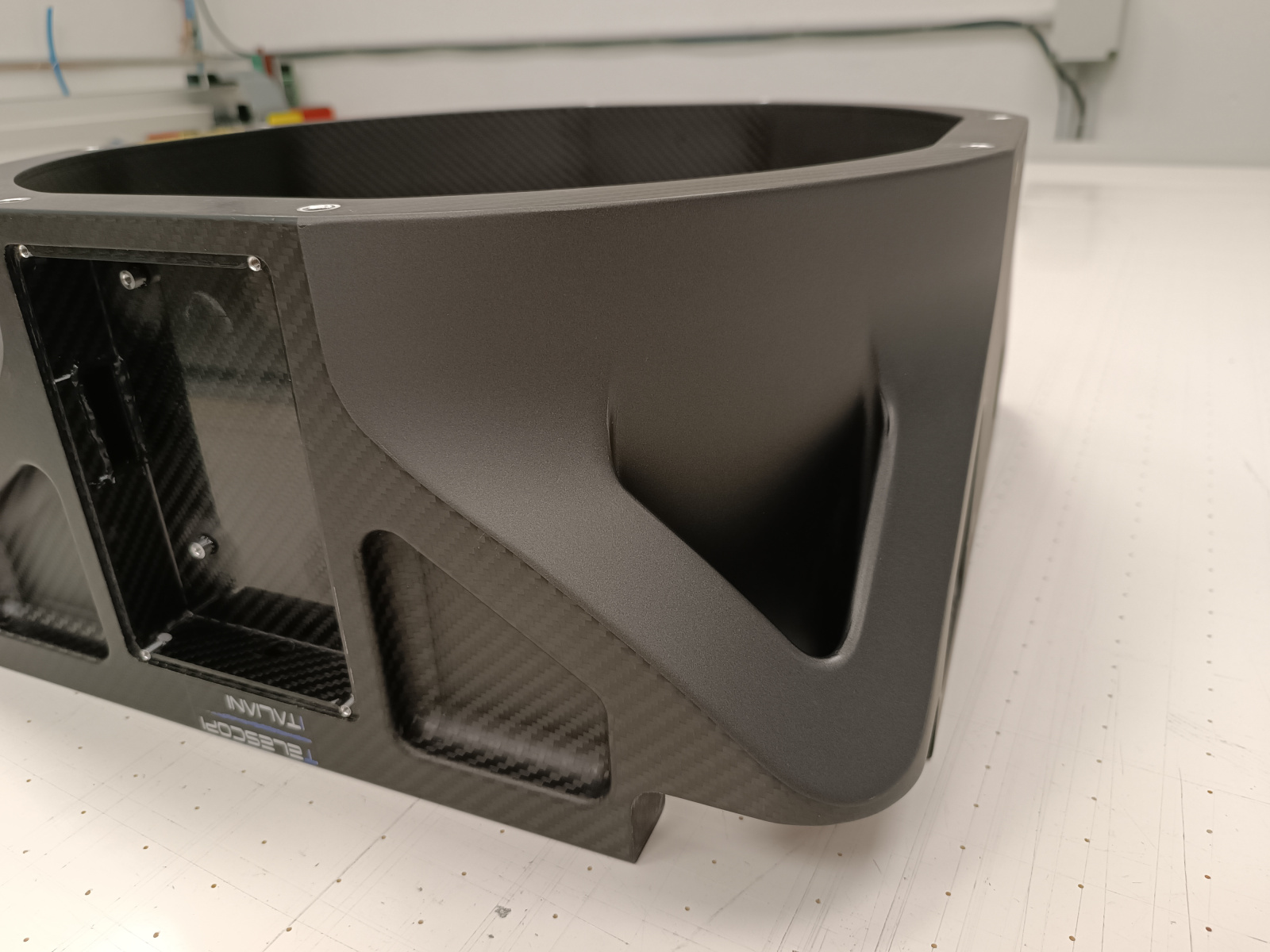
We deliver fully assembled components combining carbon fiber structures with metal or plastic parts.
All finishing operations are carried out in-house, including:
- clear coatings in gloss or matte finish
- opaque paint systems
- UV-resistant surface treatments
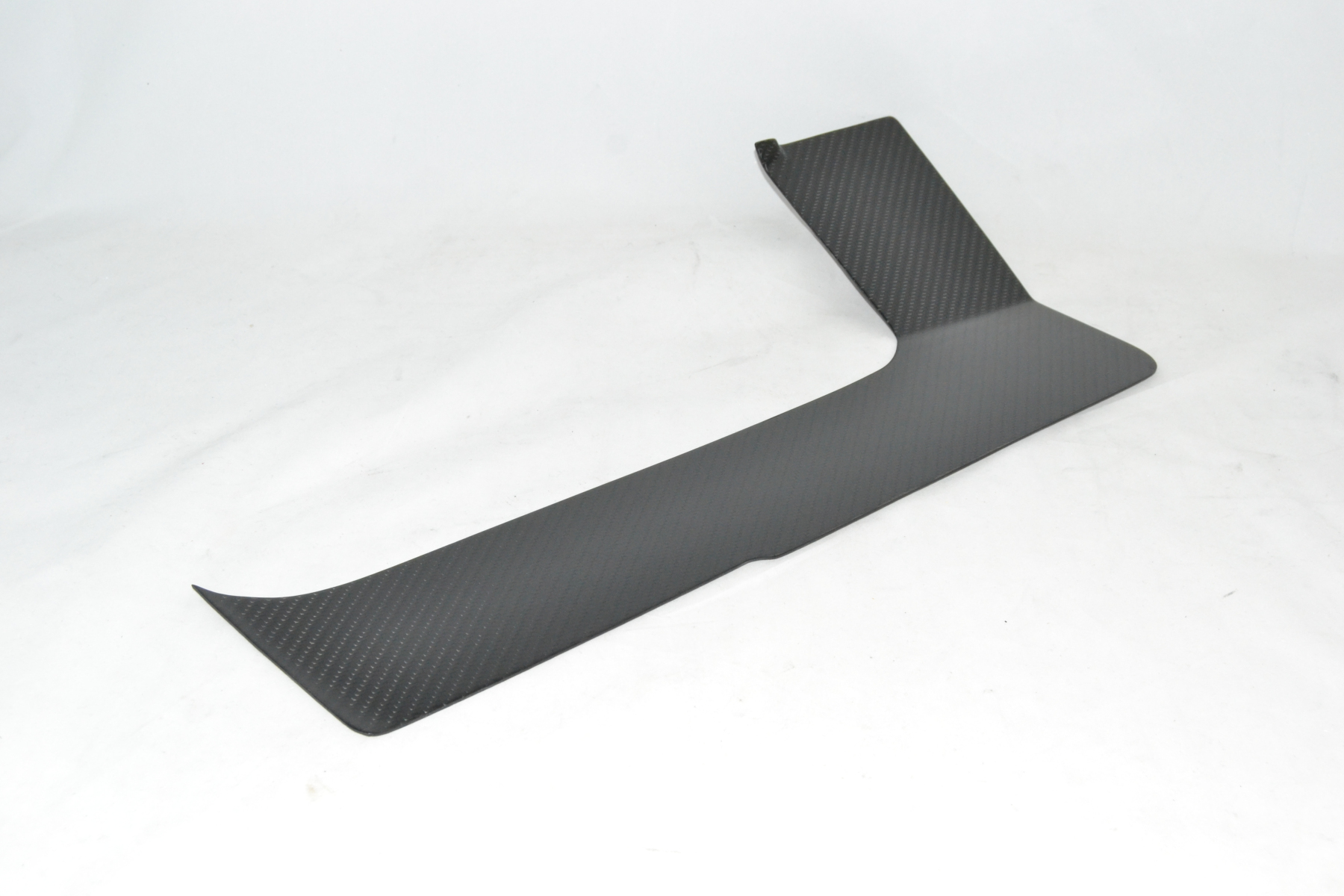
Our internally developed matte clear coat is particularly valued for its high resistance to contact marks and surface staining.
Through a network of qualified and long-term suppliers, we also provide complementary services such as printing and screen printing, ensuring a complete, ready-to-install product.
When to Use Carbon Fiber and Advanced Composite Materials
The use of advanced composite materials can be economically advantageous compared to alternative manufacturing processes, particularly for prototyping, small production batches and medium-volume series.
Carbon fiber components are especially suitable for:
- corrosive environments involving chemical exposure
- applications subject to galvanic currents
- operating conditions up to 145 °C
- weight reduction while maintaining high mechanical strength
- protective shielding and machinery guards
- customized products requiring high-end surface quality and aesthetic performance